



India recognizes 22 scheduled languages and recorded 121 languages in the 2011 Census (Source: Languages of India). Yet your feed on an indian language video platform can still look the same. English, a bit of Hindi, and repeats.
Here’s the answer upfront: you can train your apps in under a week to surface rich, local video in your mother tongue. You’ll do it by setting language signals in three places (account, device, and in-app), following the right creators, and using search and hashtags in your own script. In 2026, the best results come from active curation, not passive scrolling.
However, finding great regional content still feels like work. Feeds tend to tilt to English or Hindi. Local gems are split across apps. Search tools get the script wrong or bury long-tail tags. As a result, you scroll for 20 minutes to find one clip worth sharing.
In this guide, you’ll get a clear plan that respects how you live in a multilingual India. We’ll validate the struggle, show you the exact steps, and compare the platforms that do right by regional languages. You’ll also see quick wins you can do this week to transform your feed, with examples grounded in 2026, not last year’s UX.
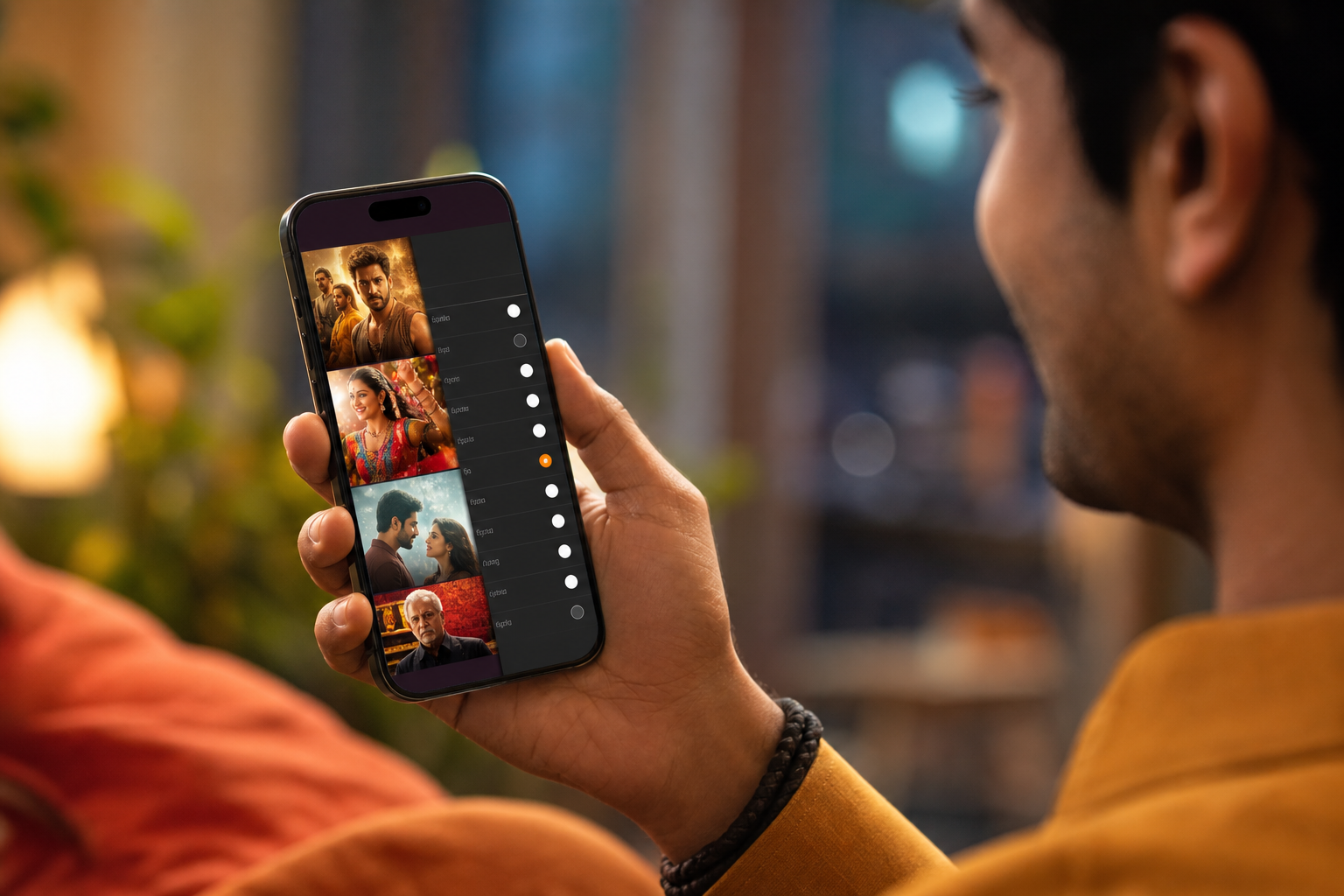
Why Finding Quality Video in Your Language Still Feels Hard
You’re not imagining it. Algorithms weigh watch-time and share velocity at national scale, so big lingua francas win. Meanwhile, Odia, Assamese, Konkani, or Maithili can feel “cold-start” each morning.
English and Hindi punch above their weight because they seed trends faster.
Search and hashtag fragmentation
Moreover, discovery tools still lag. Search bars guess transliteration and misread scripts, so a query in Kannada might return Hinglish tags. Hashtags drift too. A single concept like “festival prep” might live under three scripts, four spellings, and a mix of Romanized tags. Therefore, your search effort splinters.
Creators are spread across apps
In addition, regional creators spread across apps. One stand-up posts full sets on YouTube, backstage clips on Reels, and language-first shorts on an India-based app. Without cross-following, you see one slice and miss the rest. You feel the gap most on niche topics, say, Gadwal saree weaving demos in Telugu or Tulu coastal recipes.
“I changed my feed by changing my inputs: language, follows, and saves. The algorithm caught up in 72 hours.”
Mixed signals from device and behavior
Finally, you may be sending mixed signals. Your phone is set to English for work. Your app UI is mixed.
You like a Hindi meme, but you watch a Marathi vlog to the end. As a result, the recommendation engine hedges, and your mother-tongue clips stay buried. The fix is simple: send clear signals in three places and stick with them for a week.
Step-by-Step: How to Discover and Enjoy Indian Language Videos
You don’t need a new phone or a secret app. You need five habits. Do them in order, and you’ll feel the shift by the weekend.
- Set app language preferences
- Go to Settings → Language in every video app you use. Pick your mother tongue first, then add one backup regional language.
- Turn on captions in your script where available.
- On Android and iOS, add your language under System Languages. Then, re-open your apps so they re-index your signals.
- Follow regional creators
-
Search in your own script first. Then try a Romanized variant. Save three videos you like and follow the creator.
-
For each niche, follow at least five creators per language. For example, five cooking, five comedy, five news explainers. – If you’re a student, this deep-dive pairs well with the College Student's Guide to Finding the Best Indian Language Videos.
- Use vernacular hashtags
- Search both native-script and Romanized tags. For example: #தமிழ்_காமெடி and #TamilComedy.
- Add place-based tags in your language. For example: #ಬೆಂಗಳೂರು_ಆಹಾರ or #HyderabadiTelugu.
- Save searches you like and revisit them daily for a week.
- Join language-specific communities
- Look for creator collectives that post prompts in your language. Comment in your mother tongue.
- Turn on “Favorites” or “Notify” for three creators per niche so their clips seed your feed each morning.
- Share one clip per day into a friends’ group that chats in your language. Social signals teach the algo what you care about.
- Curate your feed actively
- Watch to the end for clips you want more of. Skip early on those you don’t. – Like, save, and add to playlists in your language.
Then, remove a few likes from off-target videos to tighten the signal. – Repeat this “watch-save-share” loop for three days. Most feeds shift in 48–72 hours with clear inputs.

Pro tip: Use voice search in your mother tongue. Say the query in your script’s words. Then, refine with a place tag like “Kozhikode” or “Ranchi” to cut through noise.
**Get The iOS App Free Today →
Also Read!
Chingari vs Moj for Indian Users: Which Is Better for Indian Language Video?
Common Mistakes Indian Users Make When Searching for Regional Video
You can avoid hours of dead scroll by dodging five traps. Crucially, each of these hurts your odds on any Indian language video platform you try.
-
Sticking to one platform only: Every app has gaps. Long-form explainers skew to YouTube, while hyper-local trends spike on India-based short video apps. If you won’t cross-check, you’ll miss half the story.
-
Not switching your UI language: Mixed signals confuse ranking. If your phone and app stay in English, the model thinks you prefer it. Change the phone language order, then the app UI, then search in your script.
-
Ignoring smaller creator ecosystems: Great Bhojpuri comedy or Konkani food clips may live in niche pockets. Big apps won’t always surface them fast. Seek creator-led hubs and follow their prompts.
-
Assuming everything is Hindi-only: Trend audio might be Hindi, but captions, skits, and comments may be in your language. Watch captions, not just audio, and you’ll find deep local pockets.
-
Skipping voice search in your native language: Typing transliteration muddies results. Speak your query, then add one native-script keyword to pin it down.
How to fix them fast
- Pick two platforms for this week: one big library (YouTube) and one India-based short video app.
- Set both to your language. Then follow five regional creators per niche.
- Use two hashtags in your script for every search: one topic, one place. Save both.
For a student-specific comparison of India-first apps, see Chingari vs Josh for College Students: Which Is Better for Indian Language Video?. It breaks down creator tools and discovery quirks that affect what lands in your feed.
Best Platforms and Tools for Indian Language Video in 2026
You don’t need a hundred apps. You need the right mix for your language and the content you love.
Here’s how the major options stack up in 2026
-
YouTube: It’s the largest library. You’ll find full shows, documentaries, live streams, and deep-dive explainers in dozens of Indian languages. For discovery, search in your script, sort by “This week,” and add region tags in the query. Playlists and “Watch later” are your best curation tools.
-
Instagram Reels: It’s trend-first and fast. Reels moves with audio memes and quick skits. Regional languages ride trends here, but depth can be light. To see more in your tongue, save three reels with native-script captions and mute audio memes you don’t want.
-
Moj: Built for India’s regional voice. You’ll see Kannada, Telugu, Marathi, and other languages show up strong. It’s great for micro-trends, local dance, and regional comedy. Use city tags in your language to seed the right pockets.
Tools like Chingari
-
Chingari is an India-based short video sharing platform with live video streaming and live audio rooms. It’s available in 10+ languages and focuses on data protection and security. For social proof, it lists 50 million+ users and 1.3 crore Play Store downloads, and it has been recognized as India’s #1 Social Networking App. If you want short, language-first clips plus live sessions, this is a strong pick.
-
ShareChat: Think of it as language-first social with short posts and videos. It’s useful for hyper-local humor and regional news bites. Use native-script community tags to cut to your crowd.
 , Discovery Tips; color accents using an Indian palette; editorial infographic style)
Quick match guide
- Long-form learning in Tamil or Bengali: YouTube + saved playlists
- Trendy Marathi or Punjabi skits: Reels + city tags
- Hyper-local Kannada or Bhojpuri humor: Moj + creator follows
- Short videos and live rooms across 10+ languages: Chingari + native-script hashtags
For campus use cases and time-saving tips, the deep dive in Best Indian Language Video Platform for College Students in 2026 shows what works when you juggle classes and content.
Key Takeaways

- Set clear language signals in your device and each app. Then search and save in your own script.
- Follow five creators per niche in your language to seed the right clips.
- Use two hashtags per search: one topic and one place in native script.
- Mix one big library app with one India-based short video app for full coverage.
- Expect change in 48–72 hours if you watch, save, and share with intent.
What to Do This Week to Transform Your Video Feed
You don’t need a full overhaul. You need three moves and five days of focus. Make these small shifts, and any Indian language video platform you use will start to look and feel like home.
- Change language settings today
- Device: Add your language in System Languages and move it to the top.
- Apps: Switch UI language, turn on native captions, and restart the apps. Then, do your first three searches in your script.
- Follow five regional creators
- Pick one niche you love (food, comedy, finance, music, tech). Find five creators in your language and follow them. Turn on notifications for two. Save one video from each to a “Must Watch — [Your Language]” playlist.
- Try one new platform in your mother tongue
- Pair your main app with a second, India-first short video app. Search with two native-script hashtags, then follow three creators. Use voice search to lock in your dialect cues.
As you try these, keep a simple rule: reward what you want more of. Watch to the end, save, and share. Skip fast on what doesn’t fit. In four days, your feed will mirror your life, not a national average.
**Get The iOS App Free Today →
Finally, a note on trust and safety: if you value privacy, choose tools that state they focus on data protection and security. One India-based platform highlights that focus, is available in 10+ languages, and serves short videos plus live streaming, a strong fit if you want both variety and language-first design in 2026.
 Indian Language Video Platform: Chingari vs Moj
 How to Add Video Editing Effects and Music as a New Creator