


The answer in one line: make short, vertical videos with clear audio, native-script titles, and captions, then post them in the language community you want to reach, week after week. If you sing in Tamil, Hindi, Bengali, Marathi, or Khasi, an indian language video platform is your fastest path to real fans. 800 million-plus Indians are online in 2026.
Here’s why this works. People tap what they can read and sing along to. A Marathi bhavgeet cover tagged in Devanagari pulls a different crowd than the same title in English. And that’s good news for you. It means skill plus language fit can beat big-budget polish.
I’ve grown songs from raga Yaman and Kalyani to lakhs of plays by doing three simple things: sing in the listener’s language, ship consistent clips (even rough takes), and chat in comments like you would after a mehfil. It’s not easy. But it’s doable, and 2026 is the best time to start.
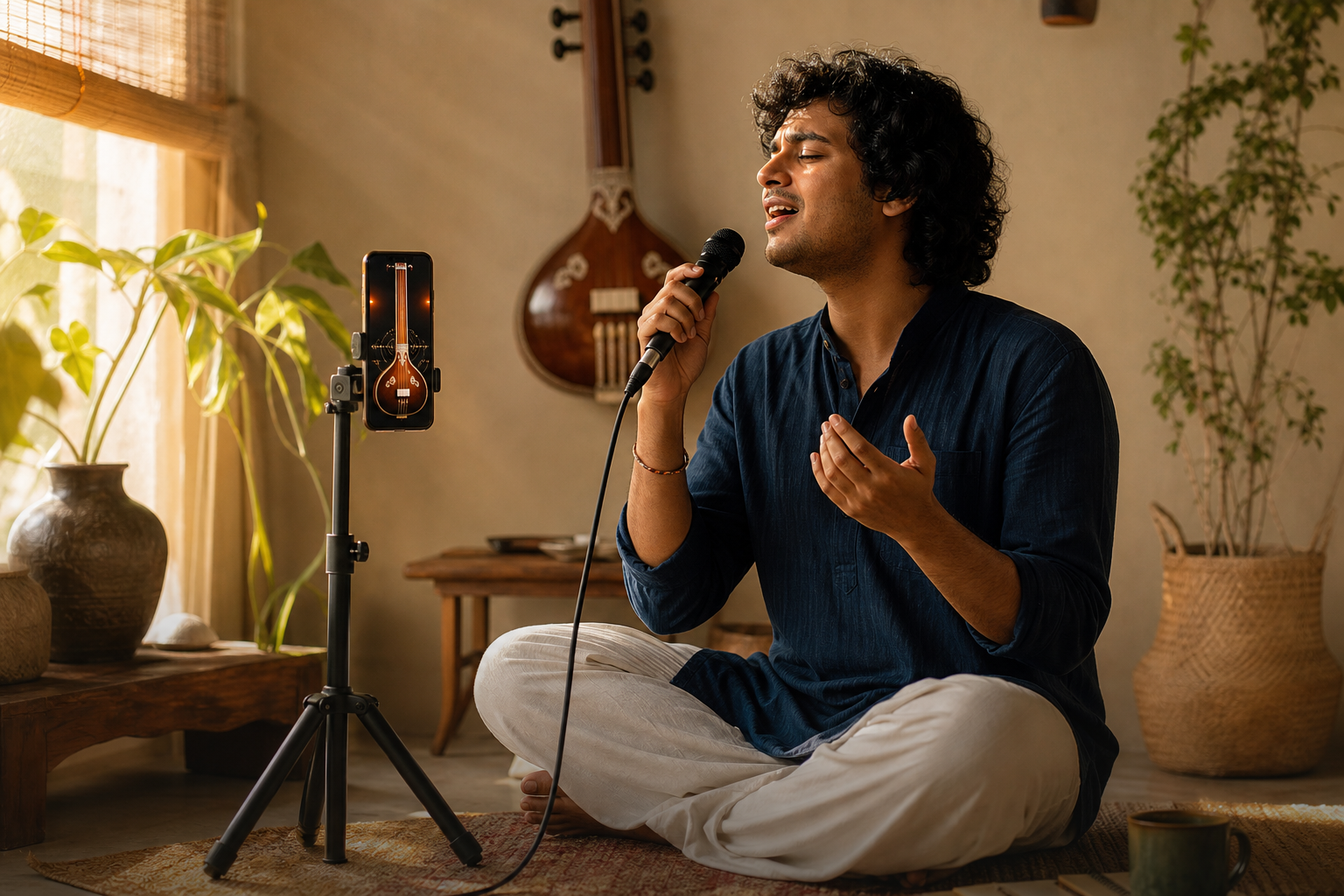
Why Indian Language Video Is the Biggest Opportunity for Musicians Right Now
According to Internet in India (Wikipedia), India has hundreds of millions of internet users, an audience so large that even a small slice can change your music career. More people are online in small towns and tier-2 cities than ever before. And they prefer content in the language they speak at home. As a result, a Punjabi folk hook, a Bhojpuri chorus, or a Malayalam lullaby can travel far without you leaving your room.
In practice, language does heavy lifting your ad budget can’t. A Tamil kuthu beat with a hook line typed in தமிழ் pulls the right buyers for your voice. A Bengali adhunik tag in বাংলা script helps listeners find your tone faster than any generic “new cover” title. Moreover, native-script titles reduce bounce because fans trust what they can read at a glance.
In addition, regional-first apps and creators have made the rules simple: speak the language, keep it catchy, and keep it short. Many India-first apps are available in 10+ languages, so you can set your UI, captions, and auto-suggestions to the audience you want. That alone makes ideation faster and your comments feel like a green room chat, not a customer support queue.
Quick math check: if only 0.001% of a 800,000,000 pool hits your video, that’s 8,000 views. Stack 20 such clips, and you’ve built a baseline of 160,000 targeted views. You did it by singing in the listener’s tongue, not by chasing trends.
Where to Start
If you’re unsure where to plant your flag, compare India-first app options and their language support here: Best Indian Language Video Platform for Indian Users in 2026. You’ll see why a language-first workflow gives indie musicians an edge that glossy all-English feeds simply can’t match.
Specifically, look for three tells of a healthy ecosystem: active comments in your language, creators posting daily in that script, and a For You feed that actually surfaces fresh voices. That’s where your songs will breathe.
To tie this back to reach, remember: supply of polished English covers is high; supply of heartfelt Haryanvi, Assamese, or Konkani songs is still low. So your odds improve the moment you switch.
Step-by-Step: How to Create and Share Music Videos in Indian Languages
You don’t need a studio. You need a plan. Follow these six steps, and you’ll post with less stress and better results on any indian language video platform.
- First, choose your language and niche. Pick one: Tamil cine covers (Kalyani/Yaman vibes), Hindi ghazal shorts (Bhairavi, Yaman), Marathi bhavgeet, Bengali folk with dotara, Telugu indie pop, or Punjabi acoustic hooks. Then commit. Consistency in one lane beats random dabbling in five.
- Second, pick the right video format.
- Covers: 20–45 seconds of the hook, in 9:16.
- Originals: a chorus teaser plus one verse.
- Behind-the-scenes: alaap practice, lyric draft, riyaz snippets, or loop-building.
- Third, improve audio quality with affordable gear. A dynamic mic, a basic two-input interface, and closed-back headphones are enough. Record at 48 kHz, keep gain conservative, and use a pop filter. For classical takes, a tanpura app plus a low-cut filter at 80 Hz keeps mud away.
- Fourth, frame vertical and short. Shoot 9:16, light your face with a window at 45°, and keep the background clean. For movement, try a slow slider pan or a locked mid-shot. 24 fps works; 30 fps is fine for brighter, poppy looks.
- Fifth, add captions in the regional script. Put your hook line in Devanagari, Tamil, Bengali, or Gurmukhi. Then add English in smaller text if you want cross-over. Hardcode lyrics or use app captions, just make them readable and contrast-safe.
- Sixth, post and talk in that language. Reply to comments in the same script. End your captions with a simple CTA in the local language: “கவ்வல் தாருங்க”, “सब्सक्राइब करिए”, or “আরও শুনুন”. This raises saves and shares because fans feel seen.
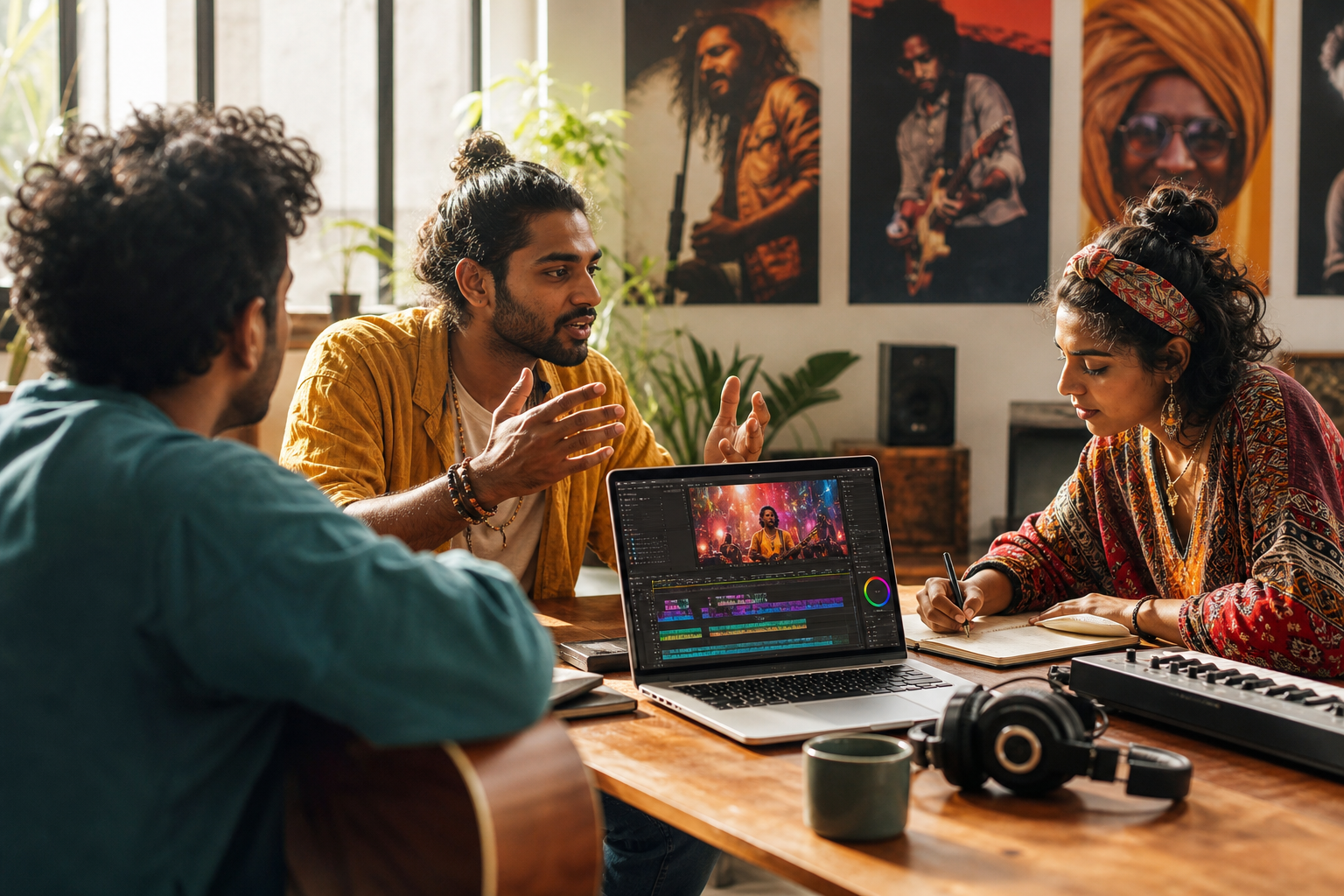 , gear setup with mic/interface, vertical framing, add captions in native script, post and engage; include icons for mic, phone, subtitles)
Short video sharing capabilities make this whole loop repeatable. You can post drafts, test hooks, and learn fast. Then, when a chorus starts to stick, schedule Live video streaming to sing the full take. Moreover, use Live audio rooms to do informal riyaz, request sessions, or taal claps with your core fans. That intimacy is your moat; you can’t fake it with polish.
For a deeper content plan that fits India’s attention patterns, bookmark this: Indian Users' Guide to Short Video Sharing in 2026. It complements the steps above with timing and cadence ideas.
Finally, edit fast, not fancy. CapCut is great for punchy cuts and auto-captions. BandLab can handle multitrack vocals on your phone. Canva makes native-script thumbnails painless.
Go live for instant feedback →
Also Read!
How to Choose the Best Short Video Sharing Platform as a New Creator
5 Mistakes Musicians Make with Regional Language Video Content
Switching to regional content is not magic. Here are the five mistakes that stall growth on any indian language video platform, even for skilled singers.
- Mixing languages without a plan. One day Punjabi, next day Kannada, then English. Your audience can’t track you. Pick one home base language for three months. Add cross-over later.
- Ignoring native-script titles and thumbnails. English-only titles on regional songs lose the scroll war. Use the script for title, hook lyric, and your name. Keep 10–12 words max. Contrast high, clutter low.
- Posting only polished content. Raw, honest clips win hearts. Share riyaz, first takes, and lyric drafts. If a note cracks, own it. That’s the charm of folk, ghazal, thumri, and indie scenes.
- Skipping live sessions. Live video streaming and Live audio rooms build real-time trust. Do 20-minute lives twice a week: one request night, one practice night. Announce times in your language.
- Spreading across too many platforms. Master one channel first. Learn what your language community clicks and comments on. Then syndicate the winners elsewhere. Your time is finite; protect it.
To avoid these pitfalls, write a one-page “Language + Hook + Cadence” doc and tape it near your mic. Review it before you hit record. You’ll keep voice, visuals, and copy aligned.
Best Platforms and Tools for Indian Language Music Videos
You have three homes to consider: global short feeds, photo-first apps, and India-first communities. All can work, but your language goals decide the winner.
- YouTube Shorts gives reach and stable search, great for evergreen raga clips and tutorial bites. Discovery is strong if titles and captions match the hook and taal. It’s also easy to embed elsewhere.
- Instagram Reels favors trends and quick loops. It’s friendly to duets and collabs, but its feed can bury niche language posts unless you post and engage daily.
- Dedicated India-first apps focus on language-first discovery. This is where native scripts, folk forms, and dialect hooks punch above their weight.
Tools like Chingari, recognized as India’s #1 Social Networking App, are built for this. It’s available in 10+ languages, has short video sharing capabilities, Live video streaming, and Live audio rooms for real-time singing sessions.
With 50 million+ users and strong data protection and security measures, it’s a practical home base if you want comments, DMs, and Lives in the same language you sing. Post hooks, host request nights, and keep your core fans close, all without switching apps.
Here’s a quick comparison to help you match goals to features:
| Platform Type | Discovery for Native Script | Live Options | Best Use Case |
|---|---|---|---|
| YouTube Shorts | High via search | Limited | Raga tutorials, evergreen covers |
| Instagram Reels | Trend-driven | Yes | Collabs, visual-heavy hooks |
| India-first app | Strong for local languages | Live video + live audio rooms | Regional songs, fan community building |
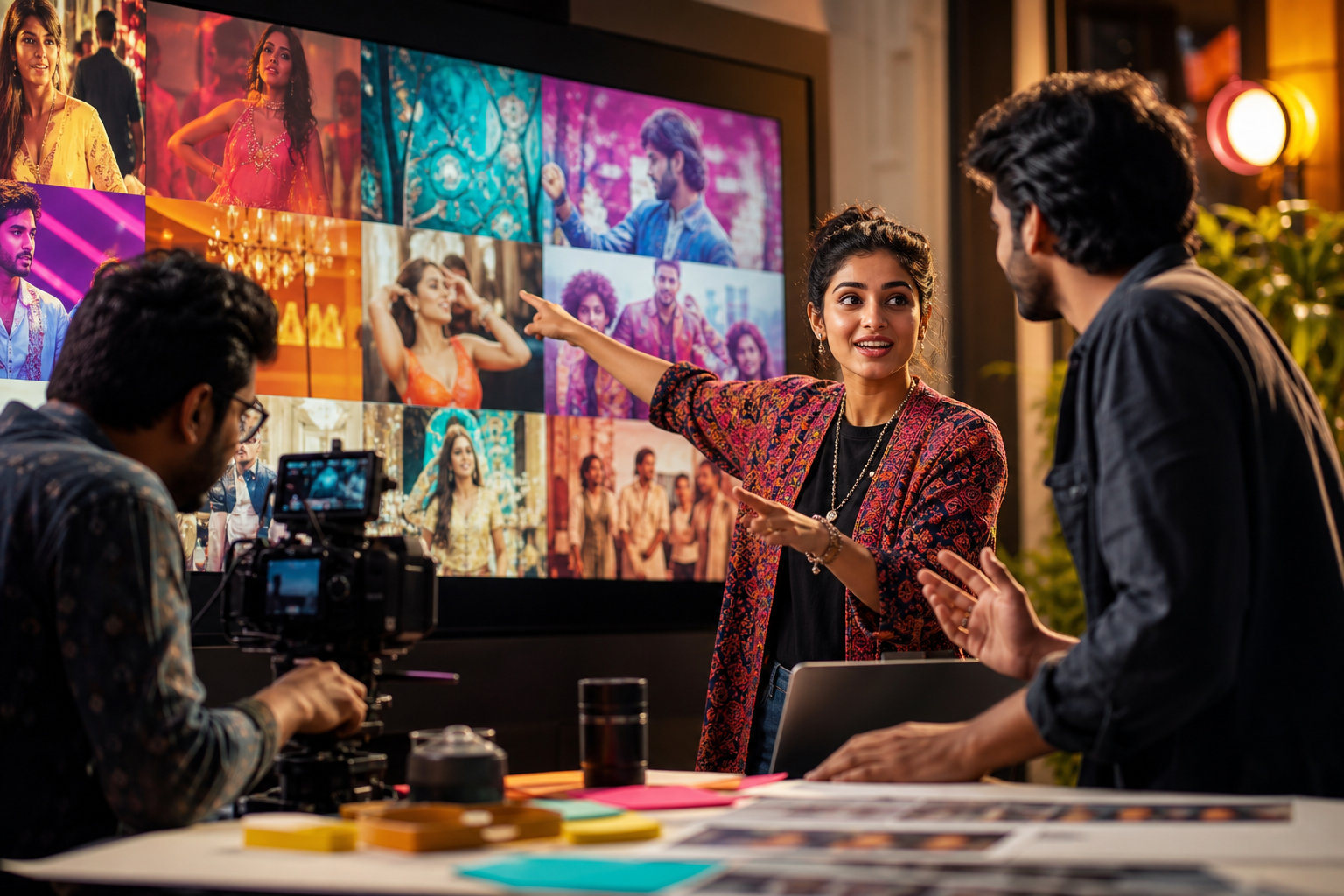
For recording and polish, pair BandLab (recording), CapCut (edits, auto-captions), and Canva (thumbnails in Devanagari/Tamil/Bengali). If you want more platform picks before you commit, read this roundup for indie debuts: Best Indian Language Video Platform for New Creators in 2026.
Remember, tools don’t write hooks. Your taal, taste, and take do. Choose the stack that keeps you posting, not the one with the longest feature list.
Key Takeaways and What to Do This Week
An indian language video platform rewards singers who show up in the listener’s tongue with short, clear, honest clips. Here’s what to keep in mind and what to do next.
Key Takeaways
- Language fit beats polish. Title, caption, and sing in the same script you want to reach.
- Short, vertical videos with clear audio ship faster and get shared more.
- Consistent posts plus Live sessions build real fans and real feedback loops.
- India-first apps are available in 10+ languages and surface local scripts by design.
- Social proof matters: pick a platform with active comments and real-time rooms you’ll use.
What to Do This Week
- Day 1–2: Pick your language and niche. Write three hook ideas. Record one 30–45 second video (raga Yaman, Bhairavi, or your original chorus).
- Day 3–4: Edit, add native-script captions, and post on two platforms. Pin a comment in the same script asking for requests.
- Day 5–7: Schedule one Live video streaming session and one Live audio room. Take 5 song requests, note which hooks land, and turn two into next week’s posts.
**Start your first live set today →
If you want a deeper platform comparison before you go live, this breakdown is a solid next read: Chingari vs Moj for Indian Users: Which Is Better for Indian Language Video?. Then, commit to your 7-day plan and hit record.
 Short Video Creation and Sharing: Your First Platform (2026)
 Short Video Creation And Sharing: College Guide 2026