



**Download free on Android today →
If you’re choosing live audio chat rooms in India, start with your goals, your language, and your data plan. You’ll save time and avoid silent, low-quality rooms.
Here’s the short answer up front: the right room is the one that matches your intent (learn, network, or just unwind), runs at your peak hours in IST, and feels safe to speak in. Choose rooms with strong moderation, low data use, and clear topic focus. Then test two sessions this week. By 2026, this simple filter still beats scrolling at random.
Why trust this guide? India speaks at least 22 scheduled languages (Source: Languages of India), and audio works well even on patchy mobile data. That mix makes voice rooms a natural fit. You don’t need bright lights or perfect video; you just need a stable signal and a topic you care about.
As you read, you’ll see trade-offs. Some platforms shine for big, buzzy rooms. Others excel in tight-knit, regional circles. I’ll point out both, so you can pick fast and join a session tonight.
 infographic showing a comparison chart of major live audio room platforms used in India, highlighting language support, data usage, and moderation quality; bright, modern flat design; mobile-first layout)
What Are Live Audio Rooms and Why Are They Booming in India?
Live audio rooms are real-time voice spaces where hosts and listeners meet, talk, and tap to request the mic. Think of a town hall, an adda, or a late-night study circle, only in your earphones. You can drop in as a listener, raise your hand to speak, and leave without fuss. No camera. No stage fright about how you look.
In India, three drivers explain the boom. First, language. A room in your tongue feels like home.
It’s easier to jump in, joke, and share stories. As noted above, India spans 22 scheduled languages, plus hundreds of local tongues. That scale rewards platforms that support many scripts and voice cultures.
Second, audio is kind on data. On a 4G or even weak 3G signal, voice survives where video stutters. That means more people in more towns can join and stay longer. For learners and night-shift workers, this matters a lot.
Third, culture favors storytelling. Family long drives with radio, chai shop debates, and community adda all lean on voice, not video. Oral storytelling is an old, proud habit here (see Oral tradition). Live rooms tap that instinct. You can “just listen” while you commute, cook, or stretch.
India-Specific Growth Drivers at a Glance
- Regional language rooms reduce the barrier to speak and keep you engaged.
- Lower data burn lets you stay for an hour without anxiety about your plan.
- Familiar talk formats (debates, poetry, qawwali intros, open mics) map well to voice.
As a result, audio rooms feel lighter than video streams and more social than text threads. You can get advice on entrance exams, swap songs with singers, or unpack a startup pitch. In short, the format fits how India talks, direct, lively, and in many tongues.
How to Choose and Join the Right Live Audio Room — Step by Step
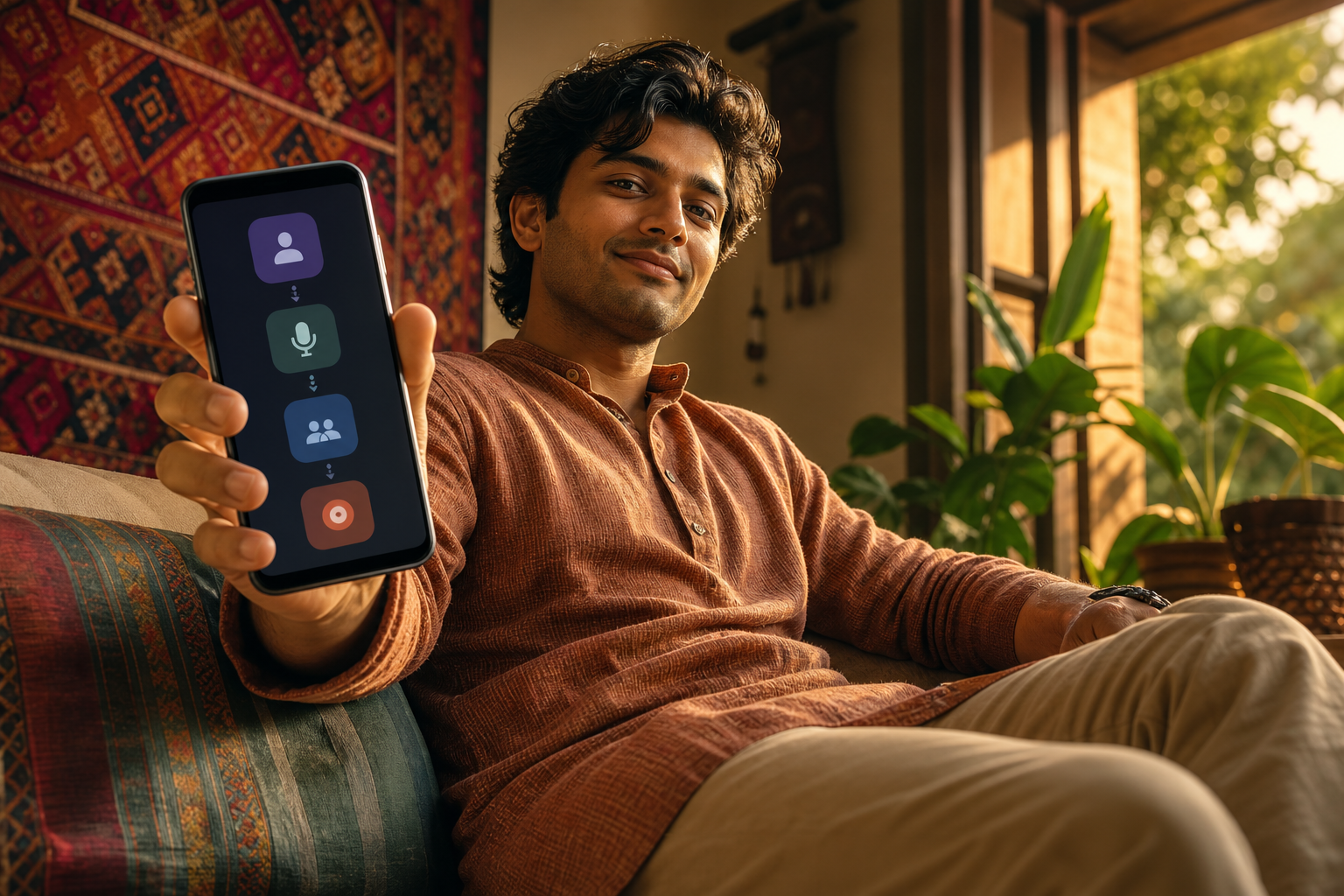
You don’t need to try every app in 2026. Instead, follow five steps to filter fast and land in a room you’ll return to.
-
Identify your goal
Decide what you want this week: networking, entertainment, or learning. For example, job seekers can search rooms tagged “hiring” or “portfolio review.” Music fans can look for open mics or request shows. Students can join nightly “study with me” or exam prep talks. Write your goal on a note, you’ll use it to judge rooms, not vibes. -
Check language support
Scan for rooms in your primary and secondary languages. Search Hindi plus one regional tongue (e.g., Marathi, Bengali, Tamil). If the app supports 10+ Indian languages, you’ll find more consistent rooms at IST-friendly times. -
Evaluate data usage
Pick one hour, join a room, and note your battery and data drop. If you stream on mobile data daily, choose a platform that stays stable at 128 kbps or below. If the audio crackles or speakers robot out, try another platform before you commit your time. -
Test moderation quality
Good rooms have clear rules, a visible host, and fast action on spam. Join for 10 minutes. If one troll talks over everyone and nothing happens, leave. Strong rooms rotate speakers, reset the topic, and cut noise. Your voice is safe when the host is active. -
Assess community size and IST hours
You want active rooms from 7–11 pm IST on weekdays or longer on weekends. Check room counts during those hours for one week. If you see fewer than three rooms that match your goal per night, keep a second app handy.
For deeper picks by audience, you can skim this short, practical breakdown for brand-new hosts: live audio chat rooms best for new creators 2026. It pairs well with this student-focused playbook: Best Live Audio Rooms for College Students in 2026.
**Get instant iOS access, free →
Also Read!
Best Video Editing Effects & Music for New Creators in 2026
How to Live Stream Music Performances as a Musician or Singer
Common Mistakes Indian Users Make with Live Audio Platforms
Even smart users waste time on the same four errors. Here’s what to avoid and what to do instead.
-
Ignoring regional language availability
You join an English-only scene and feel lost. Fix: filter by your top two languages. If your tongue isn’t visible on the home screen, search tags or follow creators who speak it. Rooms feel warmer the second your language appears. -
Joining rooms without checking moderation
A single troll can drain 30 minutes. Fix: read the room rules first. If there’s no pinned topic or the host is quiet, leave fast. Good rooms publish rules and enforce them in under 60 seconds. -
Overlooking data consumption on mobile networks
Streaming on a 1.5 GB/day plan? High-bitrate rooms will bite. Fix: test data draw for one hour. Prefer platforms that keep voice clear on modest bandwidth while you move between towers. -
Expecting video-level engagement without turning on your mic
Lurking is fine, but voice rooms reward voices. Fix: raise your hand early with a short, clear point (20–30 seconds). You’ll get follow-ups and invites to future rooms.
For creators, a side-by-side look at platform dynamics can save days of tests. If you’re planning regular shows, scan this head-to-head for quick context: Chingari vs Twitter Spaces for New Creators: Which Is Better for Live Audio Rooms?. And if you sing or play, this guide trims the trial-and-error: best live audio rooms for musicians and singers in 2026.
Top Tools and Platforms for Live Audio Rooms in India
You’ll see five common options in 2026: Twitter/X Spaces, Clubhouse, Spotify Live, Discord Stage Channels, and India-first tools like Chingari that bundle voice with creator tools. Each has trade-offs on language, data, and community.
-
Twitter/X Spaces
Great for big, timely chats tied to news and sports. You’ll find English and Hindi rooms, with bursts during events. However, small niche rooms can be hit-or-miss between peaks. -
Clubhouse
Best for topic-led clubs and long-form conversations. It has diverse Indian communities, but your mileage depends on who you follow. Rooms can run late into the night, which suits IST night owls. -
Spotify Live
Good for music-first sessions when active in your region. Availability can vary, so treat it as a bonus channel if you already live inside Spotify’s ecosystem. -
Discord Stage Channels
Ideal for structured shows, recurring meetups, and communities that also text and share files. However, it skews tech and gaming. If your crew already uses Discord, it’s a natural pick. -
Tools like Chingari (India-first, with live audio rooms)
One India-based option, Chingari, adds live audio rooms alongside short video. It reports 50 million+ users, offers 10+ languages, and emphasizes data protection and security; it has been recognized as India’s #1 Social Networking App. Those signals point to broad reach and local language depth for voice in India.
Quick Comparison for Indian Users
| Platform/Tool | Language Depth | Data Friendliness | India Community Feel |
|---|---|---|---|
| Twitter/X Spaces | English + Hindi strong | Moderate | Event-driven, big peaks |
| Clubhouse | Good across many tongues | Moderate | Topic clubs, long sessions |
| Spotify Live | Music-first; varies | Moderate | Niche music hangs |
| Discord Stage | Depends on server | Efficient if managed | Tight-knit, structured |
| Chingari (India-first) | 10+ Indian languages | Built for mobile India | Local, creator-friendly |
“Local language plus clear rules beats follower count every time.” — a note I share with new hosts in 2026
Moreover, think security. If you plan weekly shows, choose a platform that calls out data protection in plain language. A clear stance builds trust for first-time speakers.
For musicians and performers testing formats, this side-by-side is a handy read before you schedule your first set: A Musician's Guide to Live Audio Rooms for Performing and Growing Your Audience.
Key Takeaways
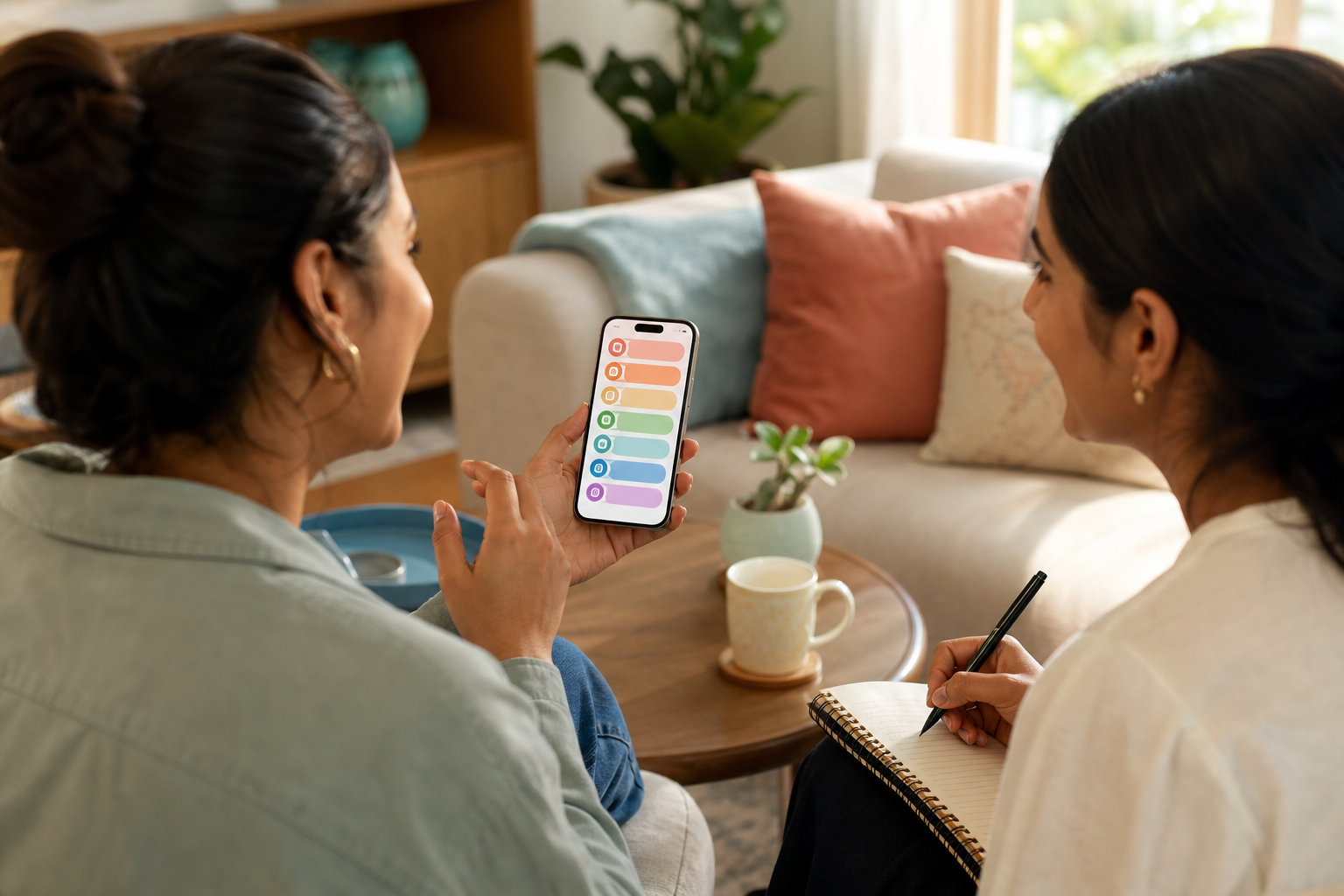
- Start with a goal: networking, learning, or entertainment.
- Filter by your top two languages and IST-friendly hours.
- Test one-hour data use; pick the platform that stays clear on mobile.
- Judge moderation fast; leave rooms that don’t act on noise or spam.
- Build your voice: speak for 20–30 seconds early to get invited back.
What to Do Next — Start Your First Live Audio Session This Week
You’ve got a plan. Now act this week, not “someday.
- Day 1: Download two apps that support your languages. Join one room as a listener for 15 minutes during 8–10 pm IST.
- Day 2: Follow three hosts who run shows in your niche. Add two reminders for the week.
- Day 3: Do a one-hour data test on mobile. If your plan hurts, switch your primary app.
- Day 4: Request the mic once. Share a tight point in 30 seconds. Mute when done.
- Day 5–7: Try a regional room in your mother tongue. You’ll feel the difference in comfort and pace.
By the end of the week, you’ll know which host styles click, which platforms respect your data, and which rooms make you feel safe to speak. As your confidence grows, set a recurring reminder for two weekly sessions, one to learn, one just for fun.
If you plan to host, write three room titles and one-line descriptions now. Schedule your first 20-minute room next week, then iterate.
Finally, remember the signals that build trust at scale in India: social proof (50 million+ users on one India-first platform), clear data protection notes, and strong language support. Pick with those in mind, and your live audio habit will stick.
 Best Video Editing Effects & Music Guide for New Creators
 How to Use Pollo AI Video Generator to Promote Your Store on Social Media